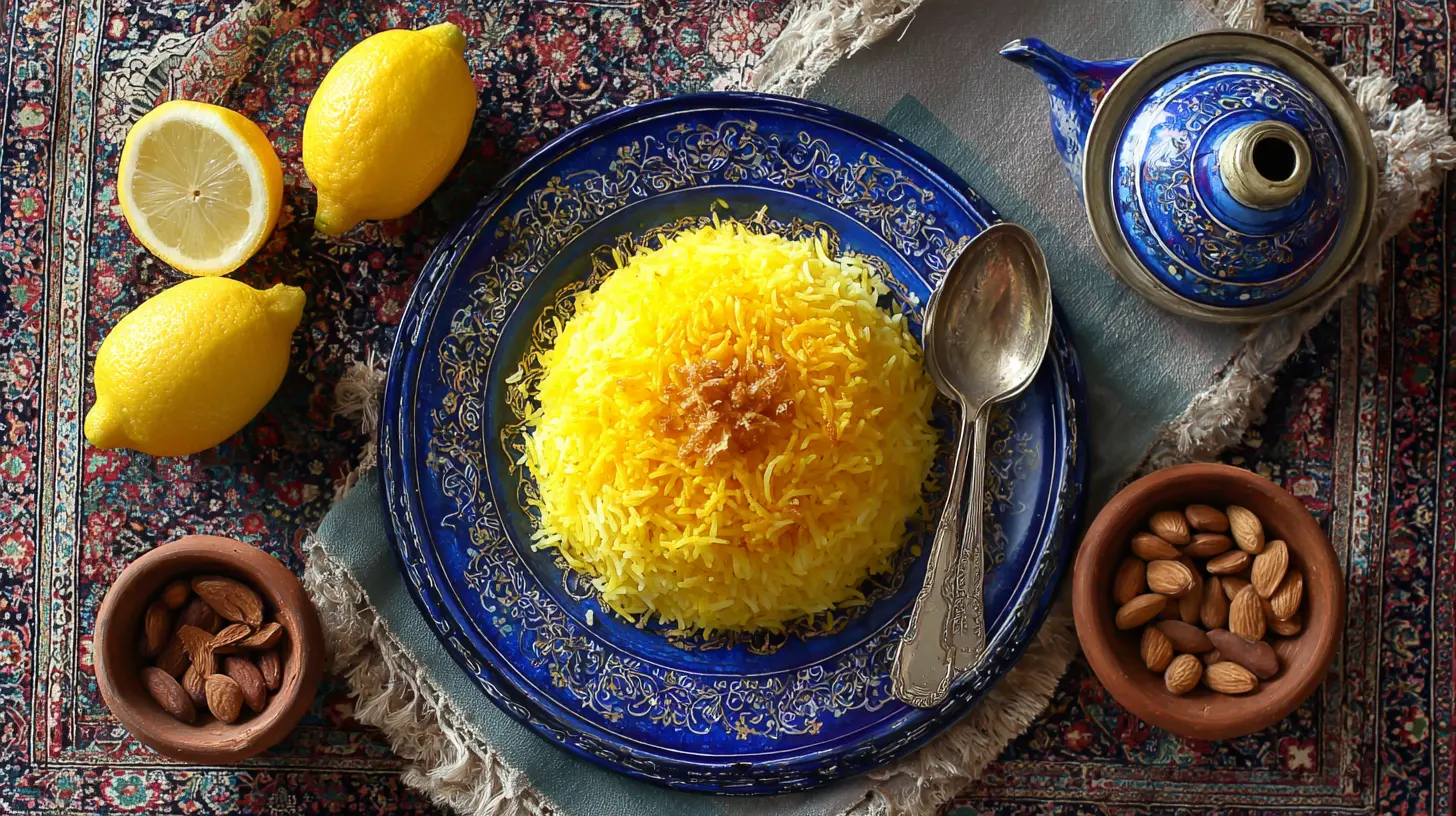
Quick Persian Crispy Rice
We will learn how to grow crispy rice in just 3 steps!
Rice
Butter
Saffron
Salt
Water
Soak the rice in water for 30 minutes.
Cook the rice with saffron and a pinch of salt.
Make a crispy golden crust by frying it in butter.
How to Make Perfect Persian Crispy Rice at Home
Have you ever tasted the golden, crunchy bottom of a perfectly cooked pot of Persian rice? This irresistible delicacy known as Persian Crispy Rice has been captivating food enthusiasts worldwide with its contrasting textures and rich flavors. The beautiful golden crust, or Tahdig, is the crown jewel of Persian cuisine that transforms ordinary rice into a magnificent dish worth mastering. While it may seem intimidating at first, preparing this traditional delicacy at home allows you to experience authentic Iranian flavors and impress your guests with a stunning presentation.
Ingredients & Kitchen Tools
For the Rice:
– 2 cups basmati rice (premium quality for best results)
– 4 cups water
– 2 tablespoons salt (for parboiling)
– ⅓ cup vegetable oil or ghee
– ¼ teaspoon ground saffron dissolved in 2 tablespoons hot water
– 2 tablespoons plain yogurt (helps create the golden crust)
Kitchen Tools:
– Non-stick pot with tight-fitting lid (8-10 inch diameter works best)
– Clean kitchen towel (for wrapping the lid)
– Rice colander or fine-mesh sieve
– Wooden spoon (metal utensils can scratch your pot)
– Serving platter (large enough to display the tahdig intact)
Prep Time & Cooking Schedule
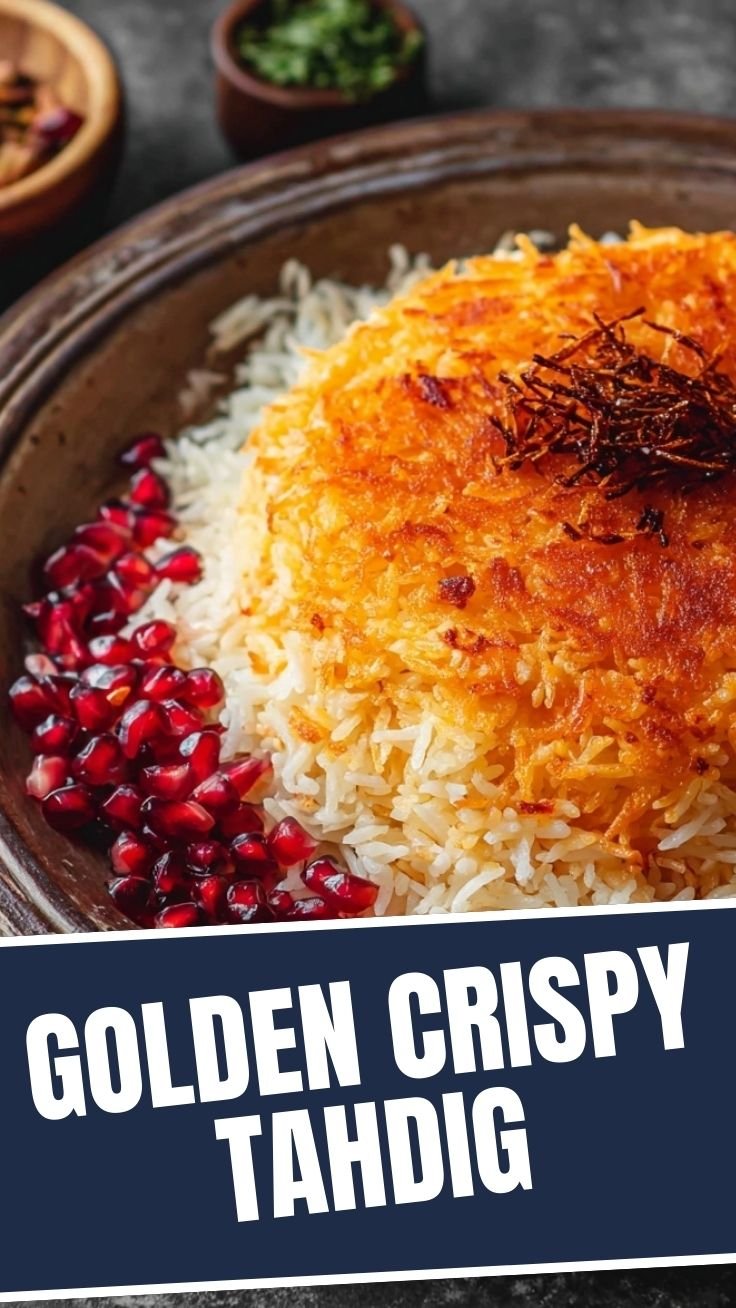
Prep Time: 30 minutes (including rice soaking)
Cooking Time: 45-50 minutes
Total Time: 1 hour 20 minutes
Allow additional time for your first attempt, as achieving the perfect crust requires attention to detail. The rice needs to be soaked for at least 15 minutes before parboiling, and the steaming process cannot be rushed without risking uneven cooking.
Step-by-Step Instructions
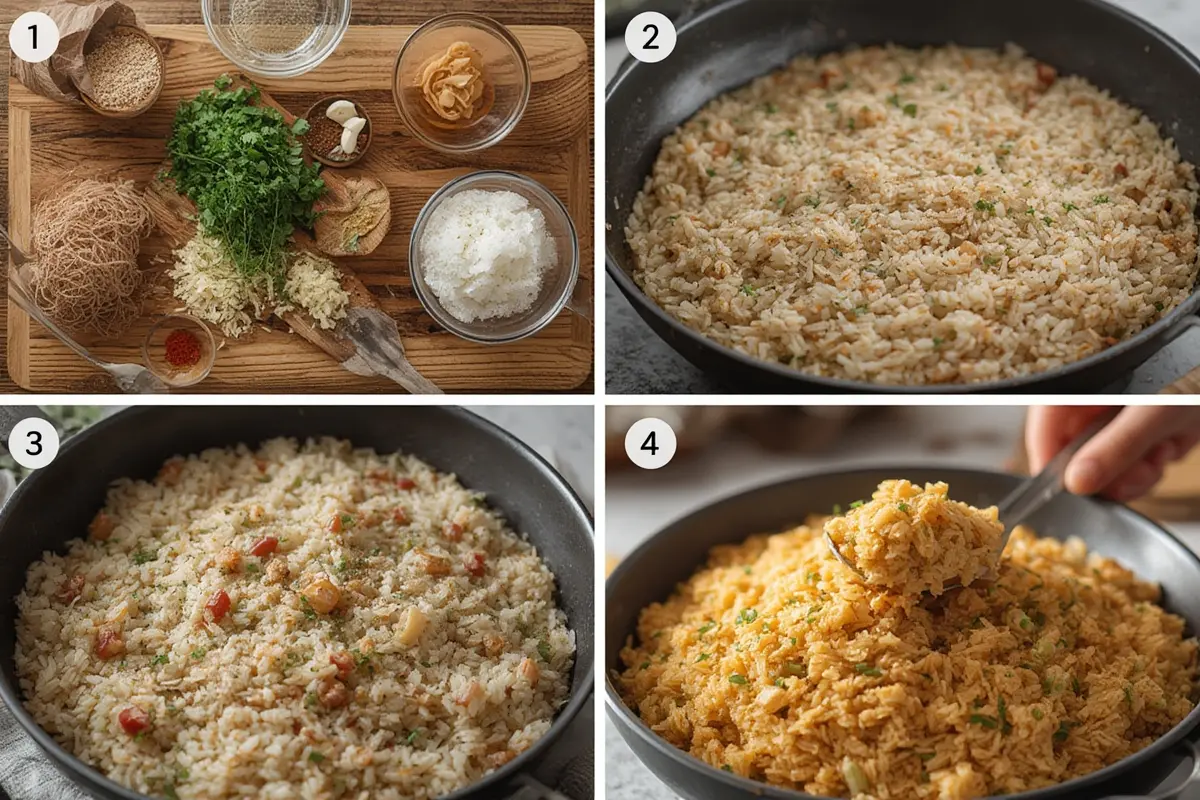
1. Rinse and soak: Thoroughly rinse the basmati rice under cold water until the water runs clear. Soak the rice in cold water with 1 tablespoon of salt for 30 minutes, then drain.
2. Parboil the rice: Bring 4 cups of water with remaining salt to a boil. Add drained rice and cook for 5-7 minutes until the grains are soft on the outside but still firm in the center. Drain immediately.
3. Prepare the tahdig mixture: In a bowl, combine 1 cup of the parboiled rice with yogurt, a splash of oil, and the saffron water. Mix gently until the rice is evenly coated.
4. Create the crust base: Heat the remaining oil in your non-stick pot over medium heat. Spread the saffron-yogurt rice mixture evenly across the bottom of the pot, pressing gently to form a uniform layer.
5. Layer the remaining rice: Gently spoon the remaining parboiled rice over the Persian Crispy Rice base, forming a cone shape. This allows steam to circulate properly and helps the Tahdig form properly.
6. Steam the rice: Wrap the pot lid with a clean kitchen towel and cover the pot (the towel absorbs excess moisture). Cook on medium-high heat for 8 minutes, then reduce to low and cook for 30-40 minutes.
7. Release and serve: Remove from heat and let stand for 5 minutes. Place your serving platter over the pot and flip carefully to reveal the golden tahdig crust.
Nutritional Benefits & Advantages
This dish offers a good source of complex carbohydrates from the rice, providing sustained energy. The saffron contains compounds like crocin and safranal that have antioxidant properties. When prepared with measured oil, this traditional recipe can be part of a balanced diet, especially when paired with protein-rich accompaniments like grilled fish or stewed legumes.
Tips, Variations & Cooking Advice
– Potato tahdig variation: Place thin potato slices at the bottom instead of the rice mixture for a different texture.
– Lavash bread variation: Line the pot with lavash bread brushed with oil before adding rice.
– Herb enhancement: Mix chopped fresh herbs (dill, cilantro, parsley) into the rice layers for sabzi polo.
– Serving suggestion: Pair with stews like ghormeh sabzi or fesenjan for an authentic Persian feast.
Common Mistakes to Avoid
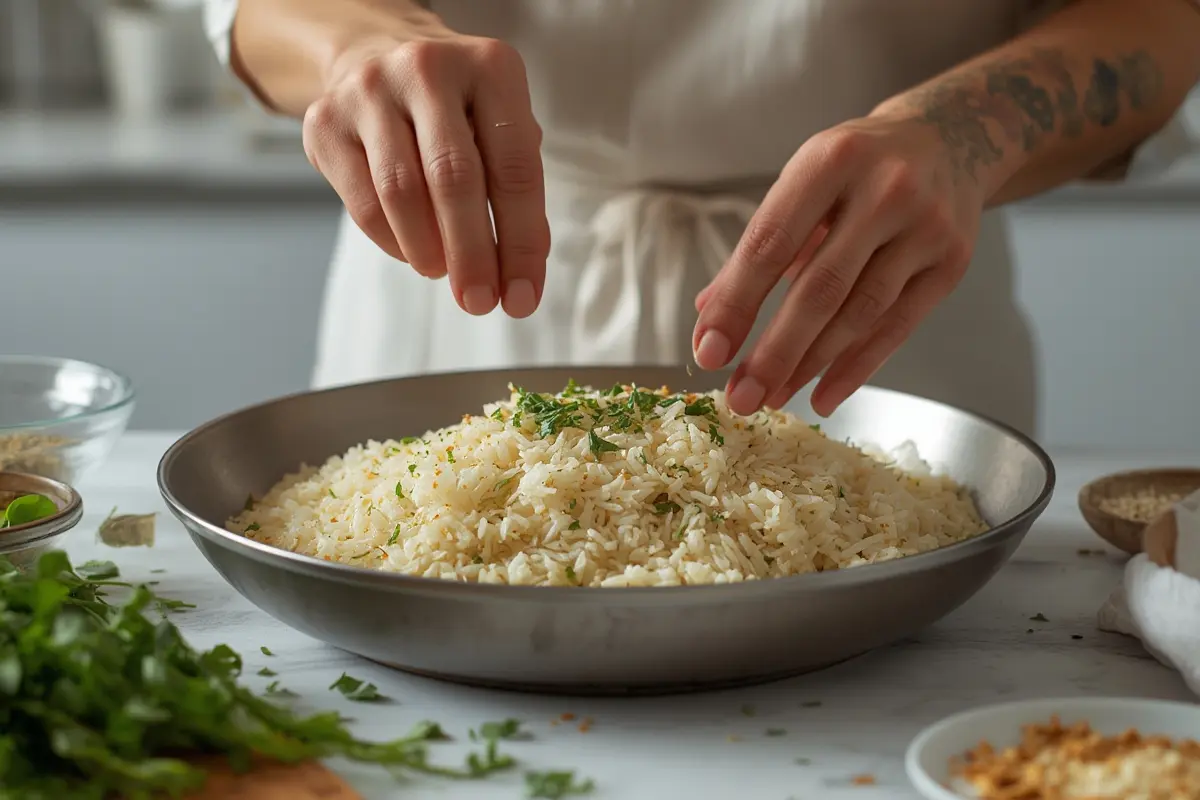
1. Insufficient oil: Too little oil will prevent proper crust formation. Don’t be tempted to reduce it significantly.
2. Improper heat management: Starting with too low heat or reducing heat too soon will result in pale, soft tahdig.
3. Opening the lid during cooking: This releases the steam necessary for proper rice texture.
4. Rushing the cooking process: Authentic tahdig requires patience; shorter cooking times lead to underdeveloped crust.
Storage & Meal Prep Tips
Persian rice can be stored in an airtight container in the refrigerator for up to 3 days. The tahdig crust will soften when refrigerated but can be crisped up in a non-stick pan with a little oil. For meal prep, you can parboil the rice in advance and refrigerate it for up to 24 hours before completing the final steaming process.
Conclusion
Mastering Persian Crispy Rice is a culinary achievement that rewards patience and attention to detail. The golden, crispy Tahdig layer is more than just a cooking technique—it’s a celebration of Persian culinary tradition that transforms a simple grain into something extraordinary. Whether you’re preparing it for a special occasion or elevating your weeknight meals, this classic dish will surely become a treasured recipe in your collection. The journey to perfect tahdig may involve a few attempts, but the results are absolutely worth it.
FAQs
Can I use brown basmati rice instead of white?
Brown rice requires different cooking times and water ratios. While possible, you’ll need to increase the parboiling time to about 15 minutes and may need additional water during steaming.
Why didn’t my tahdig turn golden?
This usually happens due to insufficient oil, too low heat at the beginning stage, or removing the pot from heat too soon. Ensure your oil covers the entire bottom of the pot and maintain proper heat levels.
Is there a dairy-free alternative to yogurt for the crust?
Yes! You can use a tablespoon of lemon juice or a beaten egg instead of yogurt to help bind the crust layer.
Can I make Persian rice in a rice cooker?
Traditional tahdig is difficult to achieve in a rice cooker. Some advanced models have a “crispy rice” function, but the authentic texture is best achieved using the stovetop method.
How do I know when the tahdig is ready without lifting the lid?
Listen for a gentle sizzling sound and smell for a toasty aroma. When the cooking time is complete, you can also tap the side of the pot gently—a hollow sound often indicates the crust has formed properly.
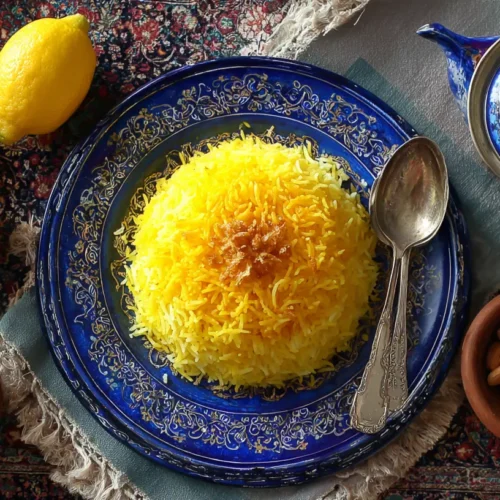
Quick way to grow Persian Crispy Rice in 3 steps
Equipment
- Non-stick pot
- Kitchen towel
Ingredients
Main Ingredients
- 2 cups Basmati rice
- 3 cups Water
- 2 tbsp Oil or butter for the bottom of the pot
Instructions
Preparation
- Rinse the basmati rice thoroughly until the water runs clear, then soak it in salted water for 30 minutes.
- Drain the rice and par-boil it in fresh boiling water for 5-7 minutes until it's al dente.
Cooking Crispy Rice
- Heat oil or butter in a non-stick pot over medium heat, then spread a thin layer of rice evenly at the bottom.
- Gently add the remaining par-boiled rice over the crispy layer, shaping it into a pyramid.
- Cover the pot with a kitchen towel-wrapped lid and cook on low heat for 20-25 minutes until the bottom is golden and crispy.
Serving
- Carefully invert the rice onto a platter, revealing the crispy layer at the top, and serve immediately.